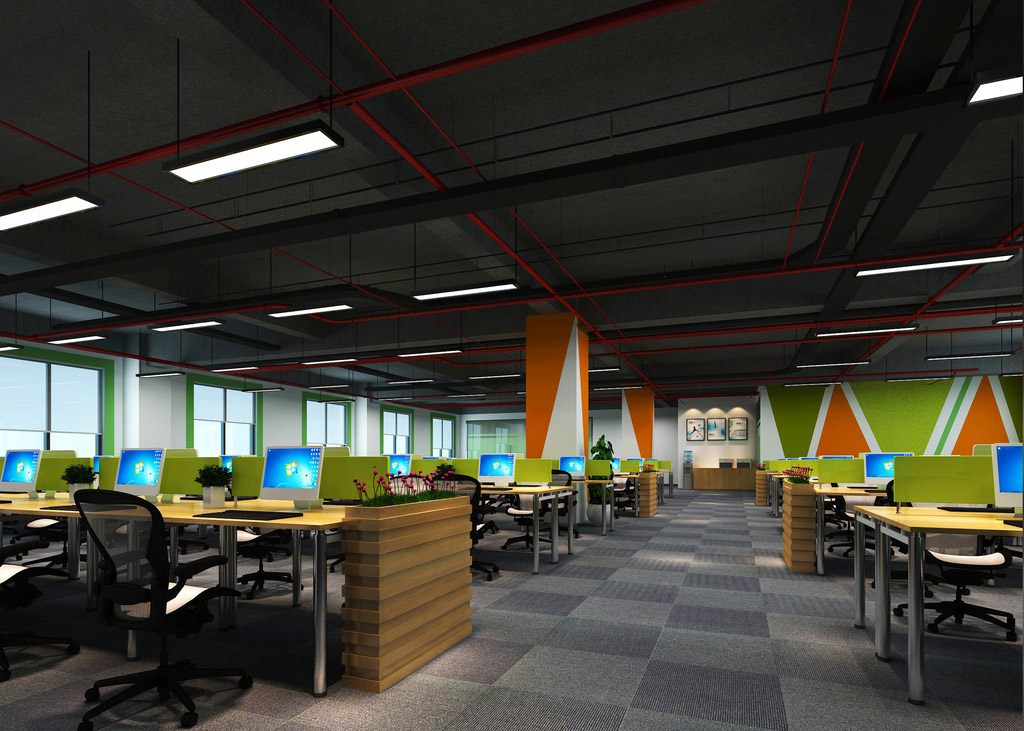
For office buildings, commercial headquarters, financial facilities, and multi-use technical spaces in South America, buyers often compare calcium sulphate raised floor and steel raised floor before finalizing the specification. Both systems are widely used. The better choice depends on how the building will actually be used, what finish is expected, and whether the project leans more toward technical infrastructure or a premium commercial fit-out.
Instead of asking which system is universally better, buyers should ask which one fits the project more accurately. In practice, steel raised floor and calcium sulphate raised floor serve overlapping but different priorities.
Where steel raised floor performs strongly
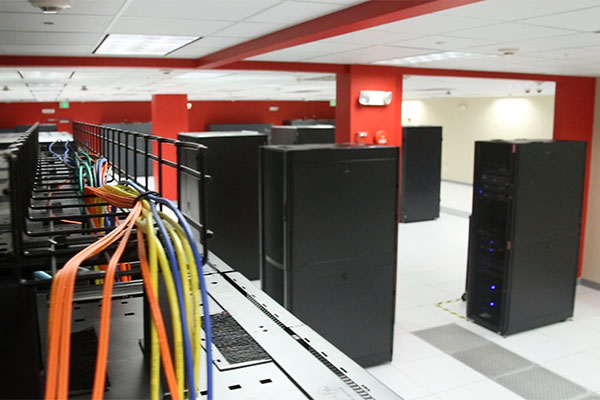
- Technical rooms with clear anti-static requirements
- Projects needing strong cost-performance in larger quantities
- Buildings where maintenance access and durability are higher priorities than decorative finish
- Mixed-use commercial spaces with meaningful cable infrastructure under the floor
Where calcium sulphate floor stands out
- Premium office developments requiring better flatness and finish integration
- Projects using carpet tile, laminate, or commercial finish combinations
- Buildings where acoustic comfort and floor consistency matter for occupier experience
- Spaces that combine office quality expectations with technical cable access needs
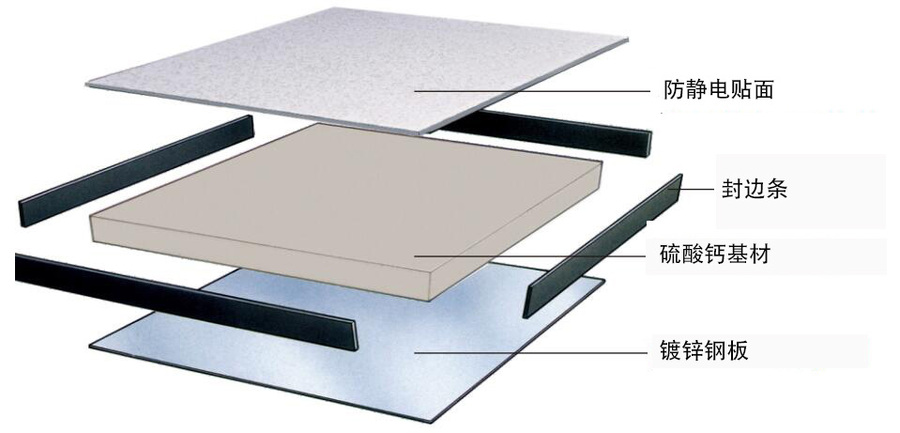
Comparison table for commercial buyers
| Factor | Steel Raised Floor | Calcium Sulphate Raised Floor |
|---|---|---|
| Project Positioning | Technical and infrastructure-oriented | Commercial and premium mixed-use oriented |
| Common Use | Server rooms, equipment spaces, technical offices | Premium offices, smart buildings, mixed technical-commercial spaces |
| Finish Flexibility | Strong, especially with anti-static finishes | Very strong for office and decorative combinations |
| Buyer Focus | Durability, modular service access, technical practicality | Flatness, presentation, balanced comfort and access floor function |
| Cost Logic | Often attractive for standard technical applications | Often justified when project finish level is higher |
Practical selection advice for South America
If the project is infrastructure-led, compare steel first. If the project is office-led or premium commercial, compare calcium sulphate first. The final decision should still be confirmed with the real support height, load requirement, finish system, and traffic pattern.
Do not ignore the support system
Even in commercial projects, performance depends on more than the panel. The pedestal and stringer system influences levelness, floor stability, maintenance access, and long-term behavior under daily use. Buyers should always evaluate the full raised floor system instead of selecting only the panel type.
Related Products for This Topic

Calcium Sulphate Raised Floor
Strong option for premium offices, commercial interiors, and mixed-use technical spaces.
View product

Steel Anti-Static Raised Floor
Reliable baseline choice for technical rooms and infrastructure-driven projects.
View product

OA Network Raised Floor
Useful when commercial office flexibility and underfloor cable organization are key.
View product